
One of the most frequent questions I get asked by friends is “how do you have time to read so much?” I usually say something along the lines of, “I don’t know, I just find the time.” But as someone passionate about making literature accessible and a part of other people’s lives, I’ve been thinking more deeply about where exactly I find that time.
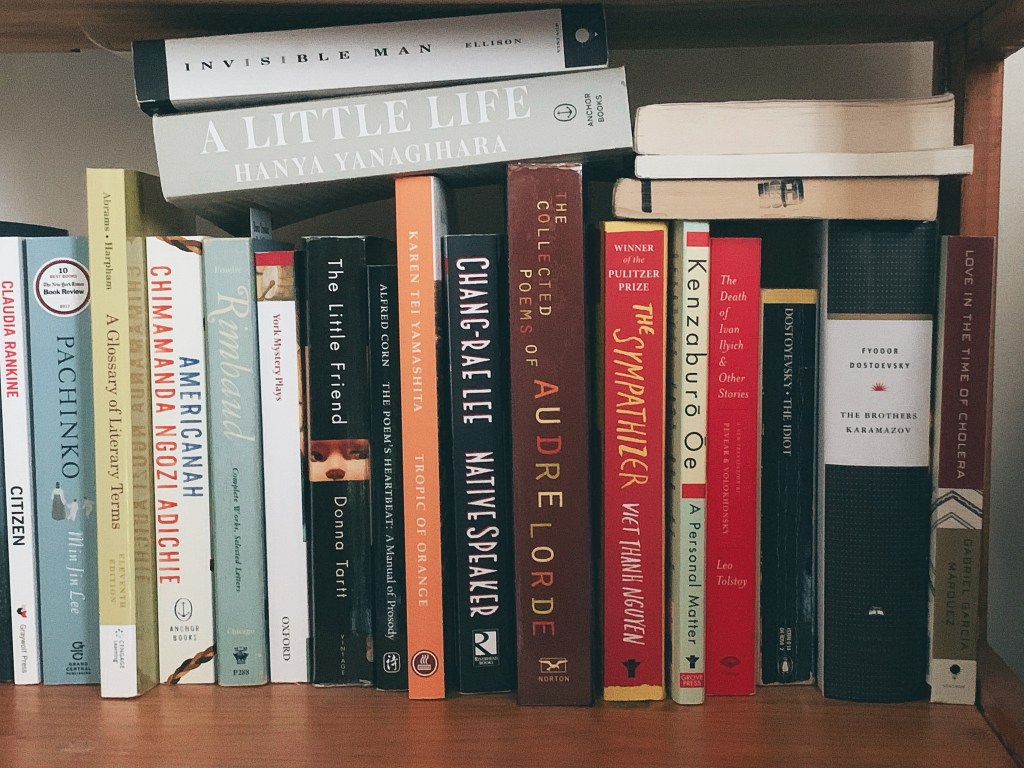
So far this year, I’ve read over 45 books. I’m also a full-time student, work two campus jobs, and participate in other extracurricular activities. Being an English major allows me to read ~12 of those books as my “homework” for the semester, but I still find time to read on my own during the school year and other busy times.
Before I jump into my advice about how to read more, I want to clarify that I don’t care for numeric reading goals (a goal like “I want to read 50 books a year”). I prefer goals centered around incorporating reading into your lifestyle or setting aside more time for reading. This is for a few reasons:
- Reading goals aren’t an accurate reflection of how much you’re actually reading. Last year, I read “only” 28 books, well below how many I will have read by the end of this year. Yet, I may have read more last year– half of those 28 books were over 500 pages, the longest being 950. Other times, I haven’t read novels but instead filled my time reading articles or poems, and they don’t easily fit into that single numeric goal.
- Reading goals emphasize reading quickly over reading deeply. I am a fairly fast reader, so I could read a book like Marlon James’ A Brief History of Seven Killings in a week to check a box and say I’ve read it. Yet, I’m on my fourth week reading the novel, because I want to deeply engage with it and have a meaningful reading experience. Give the stories the time they deserve!
- Reading goals make reading weirdly competitive. I generally stay away from social media challenges that ask people how many books they plan to read per year, because reading is a hobby for pleasure and reflection. People have different reading speeds, styles, and interests in reading. It doesn’t matter how much you read, but instead how reading fits into your life!
But I think I will get more into why I dislike reading goals and generally stay off Goodreads in another post. I’m including my numbers here just to provide an idea of how well these tips have worked for me, but want to acknowledge that “reading more” means something different for every person.
Regardless, if you are interested in reading more, whatever that might mean to you, here are my suggestions:
1. Identify what media sources are competing for your attention.
If you want to read more, you have to understand why you haven’t been able to find time to read already. A common reason may be that you feel as though you don’t have time between your work, school, life, and self commitments. In our “free time,” there’s so much competing for our attention and being marketed towards us. Between social media, books, television, news, film, and other media industries, there’s an overwhelming amount of content out there to consume.

The easiest way to find time to read is to use the time you’re investing in those other media sources. This isn’t to say that you can’t read and use social media and watch TV– I do all three, but am intentional to recognize when and why I’m using certain types of media.
Reading is a mentally engaging activity— sometimes I’m exhausted and want to mindlessly scroll on instagram or watch an episode of a TV show instead of picking up a book. This is, of course, natural. However, sometimes I do have the attention and focus required to read, but I still opt for those other platforms because of their accessibility and convenience. Then, after watching 2 hours of TV and contending with all the other commitments in my life, I wonder why I can’t find the time to read more.
You don’t need to cut off all media sources to become a reader, but you should evaluate which media sources are competing for your attention and evaluate how you can limit some sources to find more time to read. For example, instead of checking social media on my bus ride, I dedicate that time to reading. Instead of watching TV while I eat lunch, I dedicate that time to reading.
There is only so much time in the day, and a lot of marketing and media companies try to influence how you use that time. Try to understand your habits so that you can change them to fit your desires and goals.
2. Make it easy for yourself.
If you want to start reading more, always carry a book with you. This is one of the most common tips you’ll see from readers, but it’s a useful reminder. If you always have a book on you, you can pick it up when you’re waiting for the bus or in any pauses in your day.
I tend to read in breaks in my day that last from 15-30 minutes– time that isn’t long enough for me to start my homework, but isn’t so short that I’ll have to immediately put my book back down. Sometimes these breaks are expected, but sometimes they’re not, so I’m grateful to have brought my book along regardless.
Some readers find audiobooks and e-books so convenient because you don’t have to remember to bring a book with you. I’ve only just started getting into audiobooks (via Libro.fm), and they’ve been convenient for times when reading on the page isn’t an option. Since I can get motion sickness in cars or airplanes, audiobooks are great alternatives for long rides.
3. Add reading to your calendar.
Sometimes, even if you cut down your social media time and carry a book with you everywhere you go, you still can’t find time in the week to read. This is how I’ve felt this past month, where I haven’t been able to read beyond my course work.

If I don’t make it a priority to read, it is constantly pushed out of my schedule by other more pressing commitments. If I’m tired and don’t have a deadline to meet, I will push off tasks, even if I would enjoy doing them.
To tackle this challenge, I schedule in a block of reading time on my calendar. I typically schedule in a two-hour block of recreational reading time (i.e. not class reading) on Friday mornings before class. While I could spend this time answering emails or planning meetings, I push those tasks off— tasks with deadlines that I know I will get done, even if I have to stay up a few hours later— and prioritize reading.
This has worked well for me because I have committed to sticking with it, even when my schedule is busy. If something comes up Friday mornings, I “reschedule” my reading time for some time over the weekend. Reading is a commitment to myself, and my education, entertainment, and emotional fulfillment, so I am sure to treat it as such.
4. Start with short stuff.
I love long books— the correlation between how long a book is and how much I like it is direct and positive. But if you are just starting to incorporate reading into your daily life, I’d suggest you stay away from Infinite Jest or Anna Karenina.
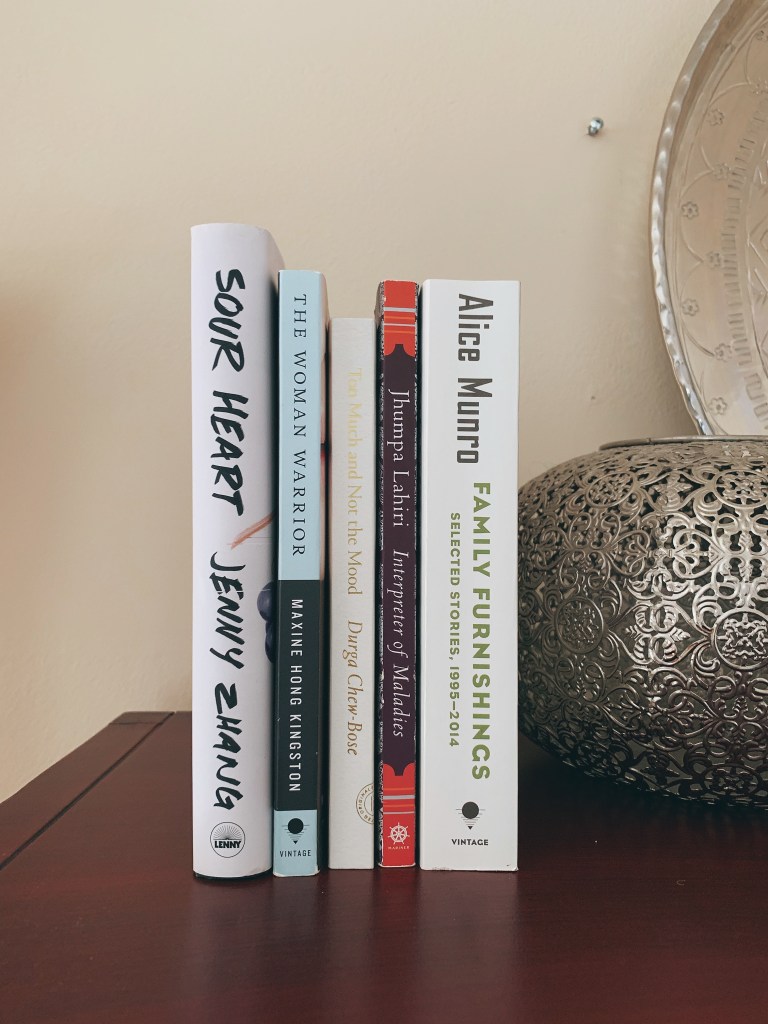
It can feel frustrating to work so hard to fit reading time into your schedule but feel like you’re not making progress in the books you read, because you’ve spent 3 months reading the same long book. When you’re first starting to read more, it’s important to feel like you’re making progress on your goal, so I recommend starting with short works, like 200-300 page novels. These novels will tend to be more fast-paced, so will keep your interest, and will prevent you from feeling stuck.
If you feel too busy to incorporate consistent reading time into your schedule, opt for short story, essay, or poetry collections, where you can read a collection piece by piece whenever your schedule permits. While in a novel you might feel as though too much time has elapsed and you’ve forgotten what you’ve read, stand-alone shorter pieces can allow you to enjoy written stories in a shorter time frame.
Personally, when I’m at my busiest, short works fit into my schedule more easily than longer works, which require more time and endurance to stick with. When I want to read a book over 700 pages, I’ll save it for either winter or summer break, when I know I’ll have the time and energy to devote myself to the book. When I’m busier, I choose shorter books so I don’t feel stuck.
5. Don’t be afraid to put a book down.
I recently had a friend who was spending weeks reading Jonathan Franzen’s Freedom. He was reading 10 to 15 pages of the 600-page novel at a time because he didn’t feel connected or interested in the book. He was feeling uninspired to read and wasn’t allowing himself to move on to books he was excited about because he felt obligated to finish Freedom.
This tendency to want to finish the books we start is quite common. My friend didn’t think the book was “bad,” and felt that he needed to finish it to truly have an opinion on the work. This kind of obligation to finish the books we start can often triumph over our reading experience, and generally slows down our rate of reading.
If you don’t like a book, just put it down and choose another one. Don’t struggle through something you don’t enjoy, reading out of obligation rather than interest. When you read what excites you, you read more quickly and are more apt to finding time for reading.
A reminder on finding exciting books–– what you’re excited about ≠ what others are excited about! Just because you’re recommended a book or told that you have to read it, doesn’t mean you should struggle through it for the sake of “being a good reader.”
6. There’s a reason book clubs are popular.
Peer pressure works! If you have someone to hold you accountable for reading, you are more likely to do it. Gather some friends and create a book club, or even just do a “buddy read” with one friend or family member. When you find people to discuss books with and who expect you to find time to read, you will become more intentional with your reading. Book clubs also set “deadlines” for reading, so you are more likely to prioritize it.
If you can’t find a book club in your community, join one online! On instagram, there is an active community of people participating in #readathons or #buddyreads, and who are open to new members. This is not only a great way to connect with other readers, but also a place to way to get recommendations and stay in the literary loop!
These are some of the tips that have helped me find time to read as my own life has gotten busier and busier. It is by no means an exhaustive list, and not every tip will work for everyone (we all have very different lives, and I’m sure many of yours are far busier and full of more commitments than mine!).
Here are some references that have inspired me and that include other great tips:
- Ways To (A Lot) Read More Books This Year
- How To Read More video by Paperbackdreams
- How to Read More Books in the Golden Age of Content video by Max Joseph
I hope this has been helpful!
As always, thanks for reading! 🙂


 zoreads
Loved this! Makes me want to set either a pages read or hours read goal for next year!
LikeLiked by 1 person
Nice article! I really like all your tips to find time to read every day.
LikeLiked by 1 person
Hi zoya, just read the tips and I must say they are really helpful. I was an avid reader throughout my student life. The only media to steal our attention in those times was the television and thankfully it had a limited time of broadcast for programs. So most of our time was spent reading novels, biographies and short stories. You are absolutely right when you refer to the amount of attention we devote to the social media these days. It’s addictive and I also think convenient in a way that information is more to the point and concise, thus saving us the hassle of going through something more descriptive and elaborate. I really missed reading books, and my ready excuse was always time constrain. A few of us with this common excuse finally got together and started a book club. So every Thursday we have a two hour session of reading and discussions. Its the most refreshing and mentally stimulating session. Something that actually helps us to break away from the artificial zombie world of social media we tend to exist in and reconnects us to the real world (ourself). Really loved your tips and they are actually going to help me in re-establishing some new reading goals for myself. Thanks!!
LikeLiked by 1 person
I definitely agree about identifying competing media sources! I think part of the reason why I get so much reading done in law school is that I choose to listen to audiobooks instead of watching Netflix or doing something else more often than not. There are so many little pockets of time throughout the day that can be filled with reading!
LikeLiked by 1 person