
Hi all! Though posts this year have been limited, I’m excited to say I have had one of the best reading & writing years of my life. I read around 50 books this year— from 80-page poetry collections to 800+ page fantasy epics (more on that later)— and loved so many of them. I had the opportunity to share more of my writing than ever before through local publications and poetry readings. This literary abundance has carried me through an otherwise challenging year, both personally and globally.

I couldn’t choose just ten picks for this year, so I’ve included thirteen, split into categories. As in previous years, these picks span genre— I’ve included contemporary and classic literary fiction and a few speculative (fantasy & horror) picks. If you are hesitant (like I was) about delving into speculative/genre fiction, this is a sign to try something new! You may find a new favorite 🙂 I hope there is something in here for everyone & wishing everyone a happy new year.
Classics
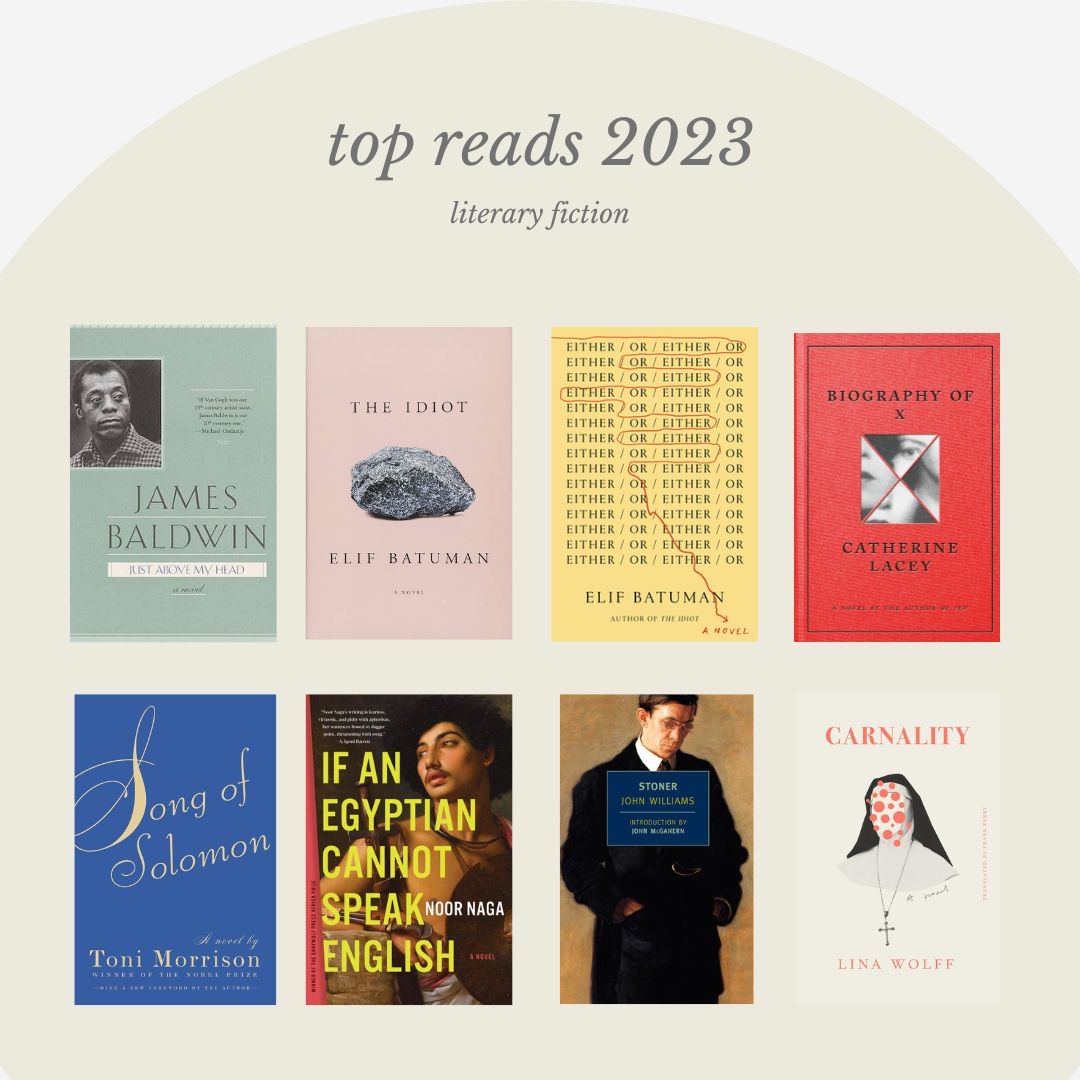
- Song of Solomon by Toni Morrison
Going into the year, I made a short list of authors I was sure I wanted to read from. One of those authors was the excellent Toni Morrison— though I had loved what I read of hers, I hadn’t read many of her major works, including Song of Solomon. This 1977 novel follows Macon “Milkman” Dead from before his birth throughout his entire life. We hear the story of his family, their secrets and legacies, as it is revealed to Milkman himself. Through this eccentric tale, Morrison explores what we inherit from our families, both literally and psychologically. A one-man story of epic proportions, this American classic is both beautifully written and immensely readable. It has left me eager to read more Morrison. If you haven’t had the opportunity to read this, I recommend.

- Stoner by John Williams
One of the first books I read this year, Stoner is a book I find myself returning to again and again, whether in memory or to recommend to a friend. Published in 1965, Stoner is sometimes referred to as a “cult classic,” as readers have found deep connection to this quiet, masterful novel for decades. In stark, moving prose, we follow the life of William Stoner, an everyman figure, as he attends college, gets married, and pursues a career as an English professor. Met consistently with the challenges of interpersonal relationships and vindictive bureaucracy, Stoner’s life is melancholic and often deeply tragic. Yet, the novel offers a subtle optimism in its portrayal of the unending human spirit and what it means to be alive. This deeply contemplative portrait of the most ordinary life is one of the best novels I’ve ever read, and I hope you it finds you as well.
- Just Above My Head by James Baldwin
If you have been following my blog or instagram for a while, you might know that James Baldwin is my favorite author. I have read nearly his entire body of work and adored all of it— I was almost saddened to finally pick up Just Above My Head, his final novel and only novel I had left of his to read. Longer than his early work, this novel about grief, family, and friendship chronicles the life of Hall Montana after the passing of his brother, Arthur. Arthur was a famous musician, with roots initially in a quartet of boys in their local neighborhood and church.
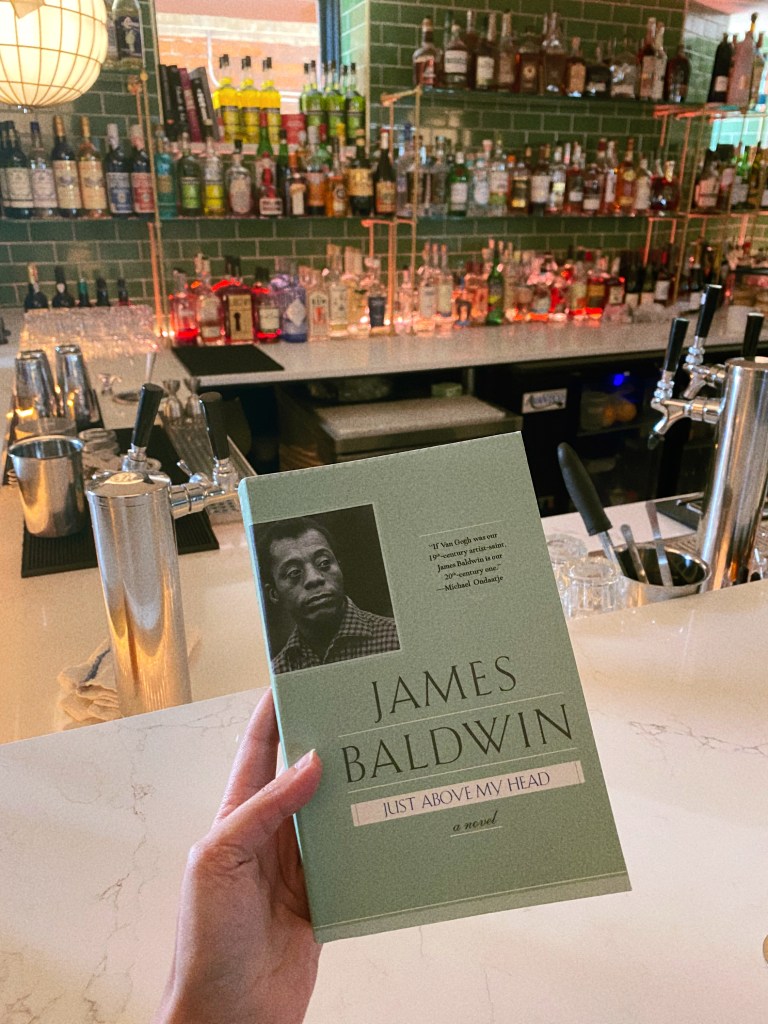
Reminiscent of Baldwin’s short story Sonny’s Blues, the novel explores fame and its vices. Hall loves his brother deeply, but can often struggle with understanding him in both life and death. Written in Baldwin’s classic prose, this novel spans cities and decades. Though I wouldn’t recommend this as the go-to introduction to Baldwin (perhaps Go Tell It on the Mountain), it is an excellent and deeply moving novel.
Speculative
- Jonathan Strange & Mr. Norell by Susanna Clarke
I am so excited anytime I get the chance to speak about and think back on this book. Fantasy is not often a genre that I find myself interested in, but after reading Clarke’s masterful Piranesi a few years ago, I knew I had to pick up her other, highly acclaimed major novel. For the month of April, I cozied up with this volume— this is the aforementioned 800+ pager— and fell under the spell of its complex characters, carefully cultivated magic system, and absorbing plot.
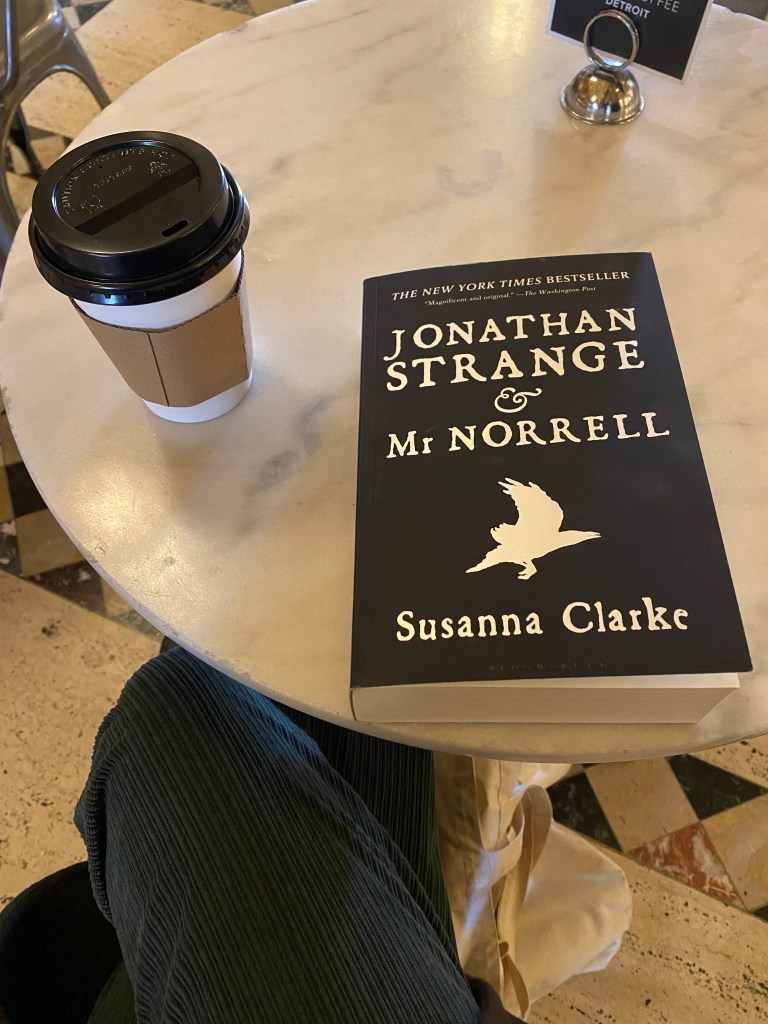
Jonathan Strange & Mr. Norrell takes place in 19th-century England. In the past, magicians shaped the country’s history and politics. But when we begin reading, magic is only studied in theory, not practice. Mr. Norrell, a masterful wizard and hoarder of magical history, challenges this notion. As he seeks to offer magic back to England— to assist in wars, to build his own status— another magician rises, Jonathan Strange. Strange is first a mentee to Mr. Norrell, but as they both develop their own aspirations, their ideological clashes have wide ramifications for the future of magic in England. Their own reckless magic has dire and uncanny consequences.
This book truly captured my attention from the first page to the last. Each time I set the novel down, I looked forward to when I could come back to it. The politics, alternate-history world-building, and large range of characters are so well crafted. Written with extensive footnotes, this novel continues to develop new dimensions as you read. I am looking forward to picking this up and experiencing this story again in the future.
- Monstrilio by Gerardo Samano Cordova
I initially picked up Monstrilio because it has one of the most striking covers I’ve seen in a while— I bought my copy when I read the intriguing premise of this literary horror novel. When Magos loses her son, she cuts out a piece of his lung following a local myth. As she grieves, she nurtures this small lump of lung into a new living creature. But it isn’t her son that grows back; it is Monstrilio.
Told from multiple perspectives and in cities across the world, this novel examines how grief shapes our relationships and expectations of each other. How far do we go to protect those we love, how far to preserve them? With themes of cultivating identity, the corporeal/anatomical, and what it means to be human, this is one of the most moving and memorable novels I have read this year. The prose is fantastic, and the horror elements are both disturbing and multifaceted. For literary fiction lovers who are intrigued by horror— this one is for you.
- Our Wives Under the Sea by Julia Armfield
I’ve always been afraid of the ocean, and this novel encapsulates why. A gentle, tender horror novel, Our Wives Under the Sea is told in two perspectives. One from a woman embarking on a research expedition in a submarine, only to find herself trapped with a crew at the bottom of the ocean. The other from her wife— who thought her wife was dead for months, only to have her return from the expedition unrecognizable. It explores different iterations of loss and grief; this slow-paced literary horror is equally beautiful and terrifying.
- I Who Have Never Known Men by Jacqueline Hartman
This is the oldest speculative book I read this year, and one that has been making the rounds on social media. This 1995 French novel is a post-apocalyptic psychological exploration of gender and survival. Forty women have been trapped in a bunker for years, patrolled by guards, and given the bare minimum to survive. No one knows why they were taken from the “normal world,” or what the point of this existence is. But the youngest girl, our narrator, doesn’t know anything else— she was a child when she entered the bunker, so has no memories of the previous world, and she has never known men. This novel can be frustrating at times, but is an eloquent experiment in community and humanity. What does life look like, in even the most dire circumstances? What do we do to persist? It is bleak and brilliant.
- Our Share of Night by Mariana Enriquez
Over the past few months, whenever someone asks me for a recommendation of a recent release, this is the book I choose. Mariana Enriquez’s Our Share of Night has it all— it’s an intricate puzzle, building over hundreds of pages, slowly unlocking and revealing a masterfully crafted story.
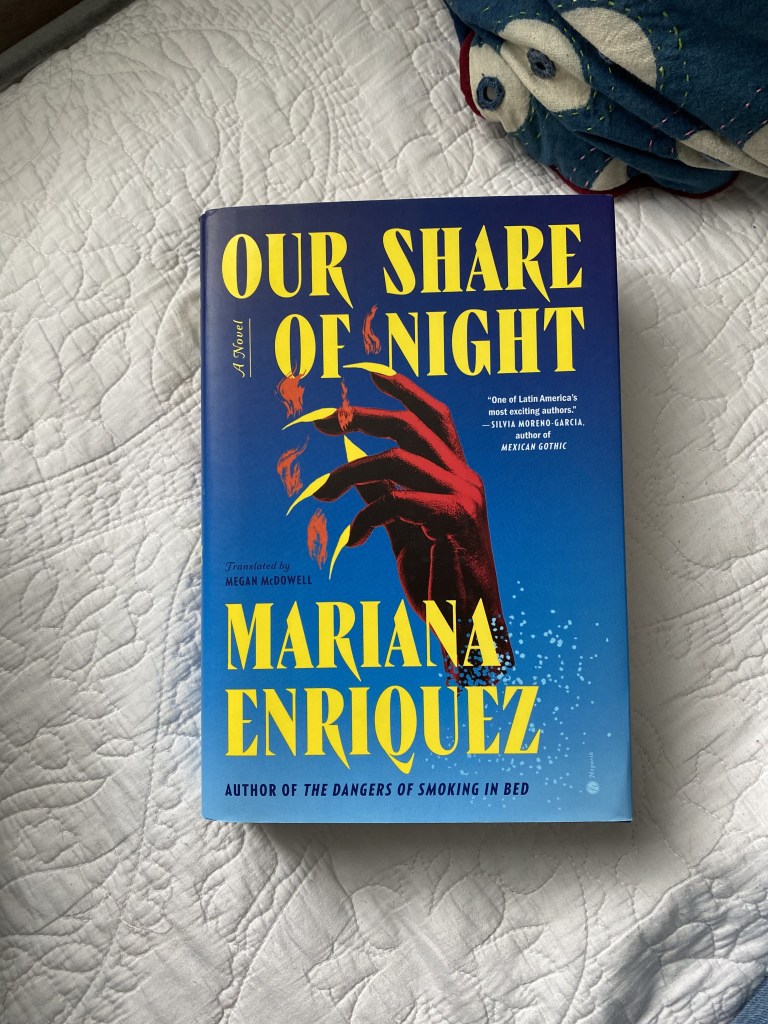
Set in Argentina, we begin with Juan and his son Gaspar on a roadtrip following the loss of their beloved wife and mother. Juan is a medium seeking answers for his wife’s mysterious death, and attempting to protect his son against inheriting his own dangerous, corporeal powers and legacy. What unfolds is a tale that spans decades— of grief, fate, and the occult. While the supernatural elements of this story are intriguing and truly terrifying, the relationships at the core of this book, especially between father and son, are heartbreaking and complex. This novel doesn’t fall into cliches or tricks of the genre; it creates an atmosphere of darkness in its intricate world-building, layered imagery, and its reflection of the most human desires for power and control.
This is a fantastically crafted horror novel— it is the most genuinely disturbing I’ve read, but also has so much heart and power in the story it’s telling. If you feel up to it, both in the slow build and frightening horror elements, I highly recommend.
Other Literary Fiction
- If an Egyptian Cannot Speak English by Noor Naga
Told from alternating perspectives and with surprising exercises in form, If an Egyptian Cannot Speak English was one of the most compelling and moving novels I read this year. Set in Cairo, we follow a young woman immigrating from America to her family’s homeland— she struggles to connect with her new community, understand her role and purpose abroad, and balance expectations. We also follow a man from the village of Shobrakheit— a photographer of the revolution grappling with his past. The two meet and their relationship is plagued with undeniable connection yet insurmountable difference. This is stunningly written and offers a nuanced perspective on relationship, ownership, and culture.
- Carnality by Lina Wolff
This novel initially caught my eye due to its evocative cover and title. When I started reading, I couldn’t put it down. Carnality is a phenomenal, absurd story that starts with a Swedish journalist sent to Spain to write about travel. She instead gets swept up in the dark world of a spiritual reality show called Carnality, and the life of a man who has been targeted by the elusive figures behind the show. This is a deeply unique, darkly humorous, and quick-paced novel that will break you out of any reading slump.
- The Idiot (and Either / Or) by Elif Batuman
I am a bit late to the trend on this one, but I finally picked up Elif Batuman’s The Idiot and Either / Or this year and loved them both. In these novels, we follow our main character Selin through her freshman and sophomore years at Harvard respectively. Ripe with wit and literary allusion, we follow Selin’s perspective as she navigates new friendships, relationships, and the nebulous uncertainty of having a future. The Idiot specifically details Selin’s infatuation with a senior in her Russian class, Ivan, and their intricate email exchanges.
These novels encapsulate the uncertainty, yearning, and sincerity that come with being a nineteen- / twenty-year-old woman; Batuman writes with such truth and honesty that reading this feels like looking at a younger version of myself. The humor and literary references always landed for me— these are some of the only books that have made me truly laugh out loud. I am looking forward to reading more of Batuman’s work and truly loved my time with these two novels this year.
- Biography of X by Catherine Lacey
A few years ago, Catherine Lacey’s Pew was on my favorites of the year list. Consequently, I was eager to pick up her new release and wasn’t disappointed. Biography of X is an incredibly ambitious alternate history novel, following the prolific and elusive life of the artist X. It is compiled by X’s widow, in response to the publication of an inaccurate biography, but also as a way to better understand who X truly was. An artist, writer, and musician, X held multiple identities and names; X produced an immense body of work and collaborated with well-known artists like David Bowie (in the biography, the widow includes repurposed quotes from these famed contemporaries).
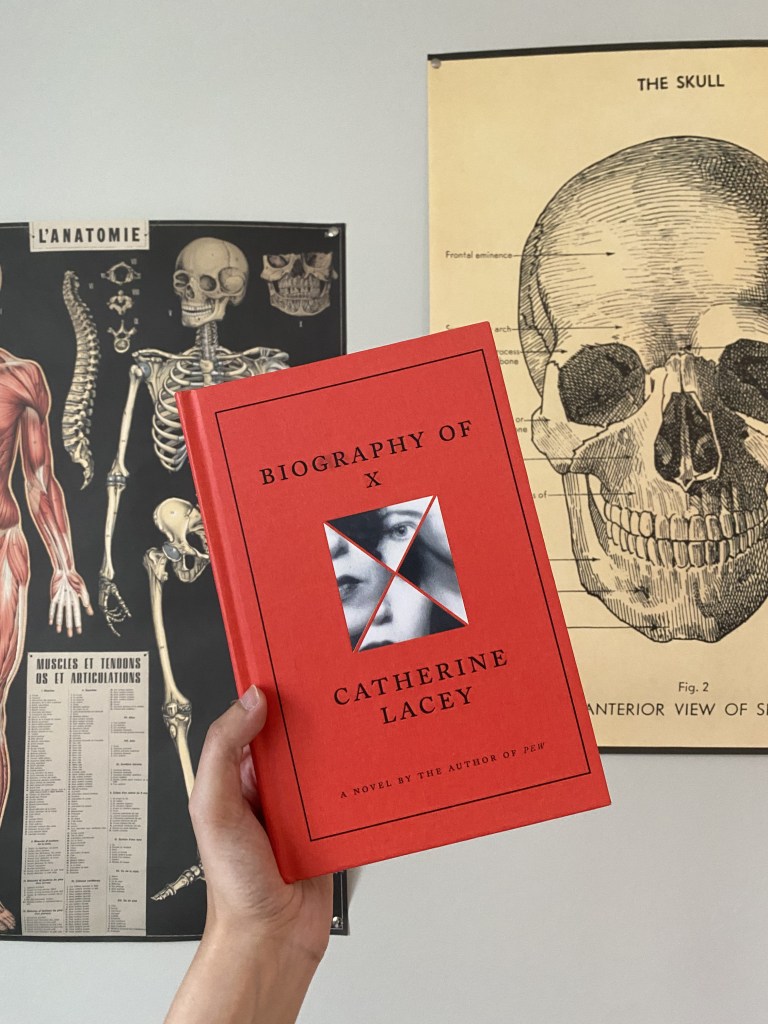
This biography is set against the backdrop of a newly reunified Northern, Southern, and Western Territories of the United States; in 1945, the Southern Territory seceded from the North and remained separate for decades. This provides a cultural context for both X’s work and re-contextualized real world art in the novel. The novel offers perspective on the utility of art, what it means to understand a person’s work or a person at all, and what ramifications of an alternate American history can illustrate about our true history and culture.
The sheer scale of this novel is impressive. It can at times lose momentum, as our narrator spirals down her own rabbit holes in her pursuit of understanding, but what Lacey has done with this novel is awe-inspiring. I’ll continue to follow her work as it is always original and fantastically crafted.
Plus, a final special shout out to George Saunders’s Story Club— a few years ago, I recommended A Swim in a Pond in the Rain, Saunders’s exploration of Russian short stories, as one of my favorites of the year. Saunders’s substack “The Story Club” is a continuation of this study, a culmination of writing advice, and an online community. As someone working on writing fiction again, this has been a phenomenal tool and online space. 🙂
As always, I wish you well in the new year and would love to hear what your favorite books of the year are below. Thanks for reading 🙂

** note: titles are linked to my Bookshop.org storefront; I will receive a small commission on any books purchased through this storefront 🙂 Visit the storefront here + check out all my recommendations.

 zoreads
Stoner is one of my top favorites of all time. 🙂
LikeLiked by 1 person