
As a writer and a reader, I’m interested in the questions of what makes successful contemporary fiction and why certain novels last over time rather than others. I recently took a course about these topics— inspired by the conversations held there and the end of the decade, I have culminated a list of the “best” books of the decade and would like to explore what this title means.
What makes a novel good, and what makes it last? In creating this list, I considered these questions and examined which criteria mean the most to me as a reader.
Firstly, I think it is important for the novel to speak to the times in some respects. The stories don’t need to be set in the present, but we tend to care about stories that reflect emotions and issues that affect us and our world today. It is difficult to strike a meaningful balance between speaking to current moment (especially because books take years to write and publish) and telling stories that last. In this list, you will see issues that have affected and defined our times this past decade, but are rooted historically in ways that enable the stories to last and speak to wider ranges of time— issues like climate change, police brutality, the refugee crisis.
Another feature of successful and lasting novels is that they are interested in form and craft. A way for novels to define themselves is by breaking convention (be it genre conventions, language conventions, or our conventional expectations of a novel). If this is well executed (i.e. not gimmicky or purposeless), a novel can truly stand out and inspire new literature that follows.
Finally, and perhaps most obviously, stories that are moving, beautifully written, and thought provoking can create lasting emotional impact. When we care deeply for stories or characters, we hope to keep them close to us and remember them for a long time.
Personally, I only started reading adult literary fiction around 2013, when I was a freshman in high school. Thus, as the decade has progressed, my tastes have developed and shifted. While I have read and thought critically of books published throughout the decade, there is an undeniable recency effect in my ranking. Ultimately, this list is quite personal to me, my tastes, and the limits of what I have personally read, yet I hope you gain not only recommendations, but frames of thinking about contemporary English-language literature.
Here is my list of 10 books (nine novels and one book of poetry). They are listed in chronological order and without ranking, though if I did have to choose a top pick, it would be Citizen by Claudia Rankine (for reasons described below). Enjoy!
Salvage the Bones by Jesmyn Ward (2011)
Salvage the Bones tells the story of an African American family in Mississippi in the days leading up to Hurricane Katrina. Readers follow Esch, a teenage girl who has just found out that she is pregnant and is reluctant to tell her brothers and father about it. The narrative clock is ticking, as Esch’s pregnancy can only be a secret for so long, and her family prepares for the impending storm.
Ward tells an incredibly intimate and touching family story while simultaneously speaking to lasting issues of race, class, and climate change in this relatively short novel. This novel is emblematic of speaking to the times, as due to changing climate, we see hurricanes with increasing frequency. The narratives of those who have been affected by climate disaster, especially those of marginalized backgrounds who are often overlooked, are often lost. Salvage the Bones draws attention to these important stories in a way that may enable them to last.
The Luminaries by Eleanor Catton (2013)

The Luminaries is a historical mystery featuring a large, dynamic cast of characters and Victorian-style prose. The mystery, which takes place in gold-mining settlements in New Zealand, is a complicated tale of a missing man, a dead man, an enigmatic woman, and money stitched into the hems of dresses. There are ghosts and zodiac signs and all sorts of fun pieces to this long, intricate puzzle.
In my criteria above, I mentioned novels with innovative and interesting form and craft can be successful and lasting. This 800-plus page novel, which won the Man Booker in 2013, is emblematic of this unique use of form and craft. It is such an achievement to create a complicated mystery, in which readers understand and care about such a wide cast of characters and which culminates in such a satisfying and coherent experience. I will certainly consider Catton’s The Luminaries to be one of the best of its kind this decade.
All The Light We Cannot See by Anthony Doerr (2014)
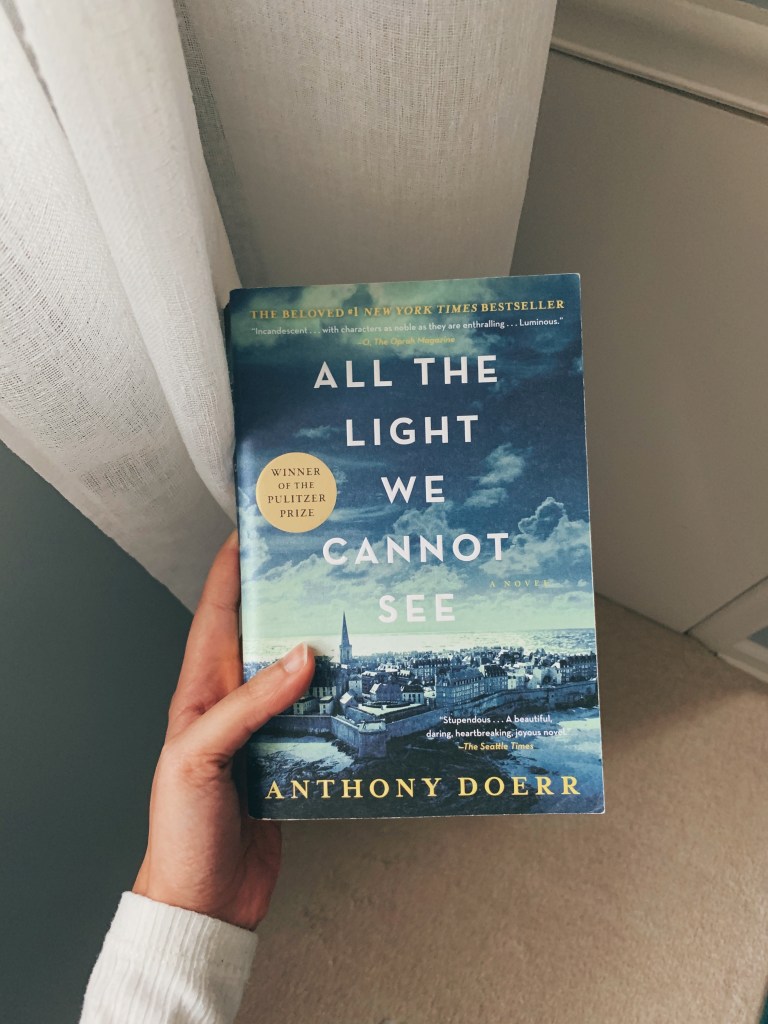
There are few novels I can think of this decade that have had a widespread, nearly-unanimous emotional impact the way that All the Light We Cannot See has had. This beautifully written story describes a French girl named Marie-Laure who must flee when the Nazis occupy Paris and a young German orphan named Werner who can fix radios. Filled with whimsical images of the Natural History Museum and books of the sea, in contrast with the bleak images of war, occupation, and evil, this novel left an impact on so many readers.
In terms of novels with emotional impact that have shaped readers this decade, and stories that will be carried into the new decade, I believe All the Light We Cannot See will be on many readers’ lists.
A Brief History of Seven Killings by Marlon James (2014)
In my Top Reads of 2019 blogpost, I called Marlon James’s A Brief History of Seven Killings one of the few books deserving of the title “a masterpiece.” The novel is about the personal and political tensions revolving around the assassination attempt on Bob Marley, referred to as “The Singer.” The novel follows a large cast of characters through alternative perspectives, spans decades and continents, and is so thematically rich and well written.
Similarly to The Luminaries, the form and structure of this novel is so well executed and memorable. The writing and plot of the novel are unlike anything I’ve ever read— it is so expansive and varied but remains narratively coherent. This novel is truly a masterpiece, and I think will stand the test of time because of that.
Citizen by Claudia Rankine (2014)
As I mentioned above, if I had to choose the best book of the decade, I would choose Citizen by Claudia Rankine. Described on the front cover as “An American Lyric,” this poem about race and the experience of being a Black woman in America is the story of our nation in this decade and the ones that have preceded. This book succeeds in all three criteria I have mentioned above: it speaks to the contemporary moment and its historical roots, providing a perspective on Blackness, the daily experience of racism, and police brutality; it bends form between essay, image, and poetry in a unique and innovative way; it is moving, beautifully written, and thought provoking. I believe it to be the single most impactful work I have from this decade, especially as an American, and know so many others share this reading experience.
The Sympathizer by Viet Thanh Nguyen (2015)

The Sympathizer is a novel about the immediate aftermath of the Vietnam War. We follow the story of a spy who has come to the United States to report on others who fled Saigon and who ultimately returns to Vietnam himself. This novel discusses the legacy of the Vietnam war as well as representation, motivation, and allegiance. Stylistically, this novel is quite dense and the author’s scholarly background is very clear throughout.
This novel asks compelling questions around representation and storytelling regarding historical events and foreign countries more broadly. These questions speak to our times as we are constantly asked to reevaluate and reexamine the past and grapple with the legacies of wars like Vietnam. For this reason, I believe this novel will have a strong legacy, especially in the Asian-American literary canon.
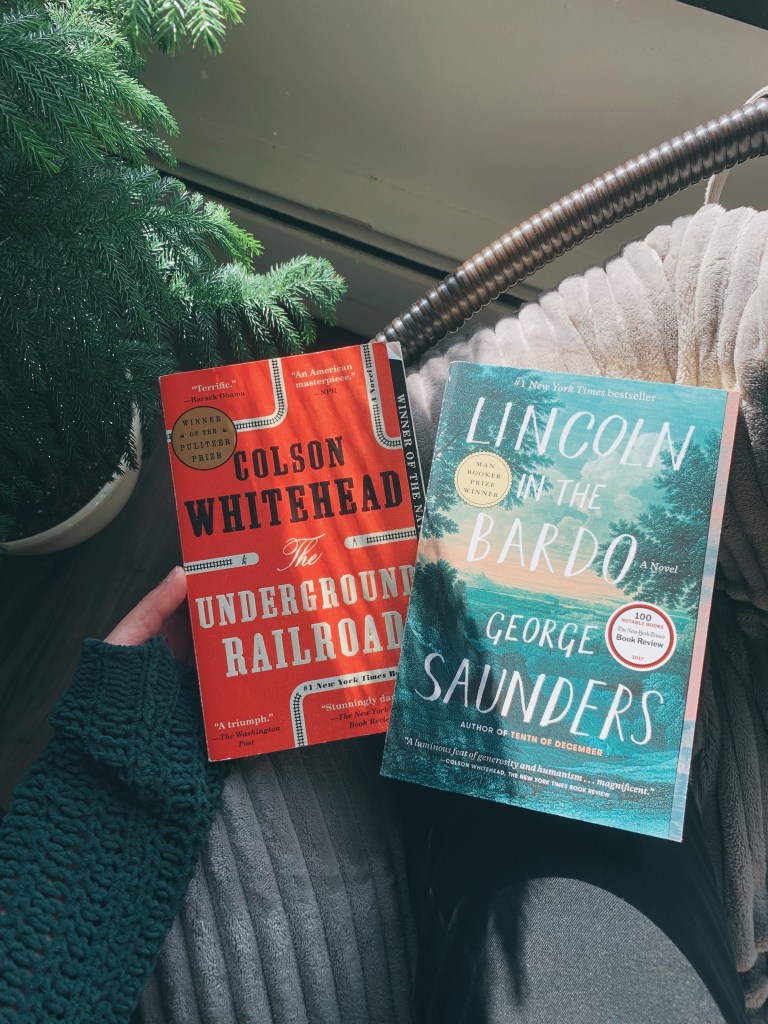
The Underground Railroad by Colson Whitehead (2016)
The Underground Railroad is a genre-defying novel that follows the journey of a runaway slave named Cora. We follow Cora’s journey as she utilizes a literalized underground railroad to move through place and, with a historical perspective, time. The novel blends historical fiction with speculative fiction to craft an exciting and emotional story. This novel is written in an accessible, riveting way that has captured so many readers this decade.
Whitehead’s novel provides incredible insight into the history of black people in America, from slavery traced to modern institutions. In this way, it speaks to our time and so much time before us through a unique mode of storytelling. The Underground Railroad and the character of Cora certainly will hold a place in readers hearts into the future.
Lincoln in the Bardo by George Saunders (2017)
Lincoln in the Bardo is a book I read twice this decade and admittedly enjoyed more the second time. The novel is a work of speculative and historical fiction describing the death of Willie Lincoln and the grief of his father, President Lincoln. Told from the point of view of ghosts in the Bardo and from an array of “historical sources” (some of which are real and others fictionalized), this novel bends genre and form so uniquely to tell a story of life and grief that transcends time.
When I think of novels I have read this decade, none of them have the uniqueness of this one without being overly pretentious or gimmicky. This novel is not constrained by its form, but instead uses it to craft a story that simply couldn’t be told in any other way. I am especially interested to see this novel’s legacy through future fiction, to see how future authors incorporate form and perspective in new ways.
Exit West by Mohsin Hamid (2017)

Exit West is a short book that lacks a wide narrative centering themes of migration and intimacy. It follows the characters Nadia and Saeed as they develop a romantic relationship and as they migrate from their warring homeland. Similarly to novels mentioned above, Exit West bends genres by including speculative elements. The novel is written with a sharpness and beauty— it represents struggles with intimacy, family, and faith and reflects a global crisis in real, individual characters. The topical elements of this novel, as well as its artistic writing and portrayal of migration, have provided contemporary readers with insight and will certainly have the same affect in the future.
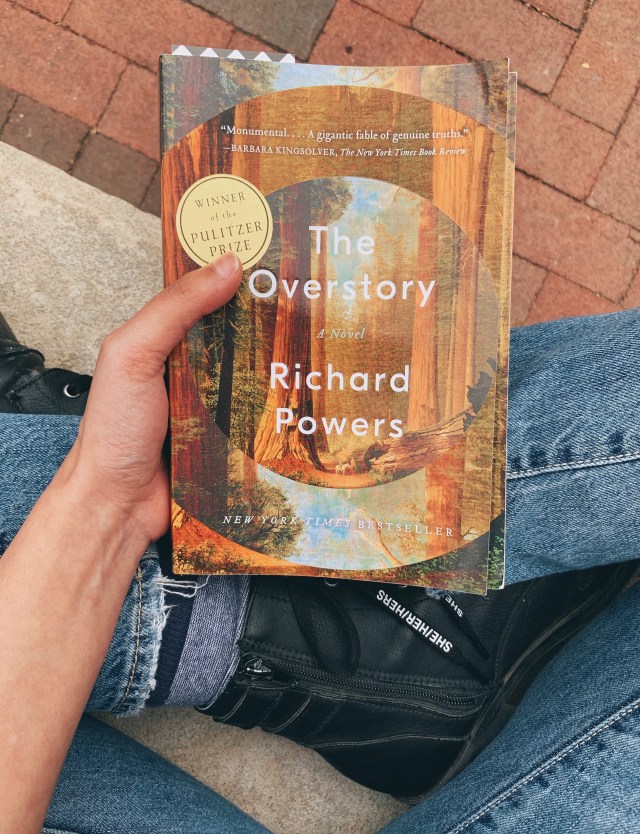
The Overstory by Richard Powers (2018)
Finally, I believe The Overstory by Richard Powers is one of the best books of the decade. A piece of climate fiction, The Overstory follows a wide cast of characters over their lifetimes and describes how their lives have been shaped by the environment— specifically, by trees. I have raved about this book in multiple posts already, specifically about the gorgeous writing and impressive narrative structure, but I want to emphasize why I think it will last and impact future readers.
Eco-fiction (or climate fiction) is a new concept to many readers, even though fiction about the environment has a long history. In the wake of the climate crisis, there is increased urgency and desire to tackle issues about our environment and how it shapes us. The Overstory does not just write a reflection of the crisis (there are many great non fiction books to turn to for that), but instead teaches us how to live and advocate in a time so dictated by destruction of nature. There are lessons in the Overstory for all of us, and these lessons will certainly last.
I hope this list of my 10 best books of the 2010s has provided insight into how I think about contemporary literature and helpful recommendations for books you may want to pick up! Let me know some of your top books of the decade 🙂

 zoreads
Great picks!
LikeLike